
Our all-in-one bio-inputs
Costs less.Works faster.Yields more.
- Costs less than chemical inputs
- Faster than chemical inputs
- Higher, healthier yields than chemical inputs
Right from Season 1 · across 80+ crops
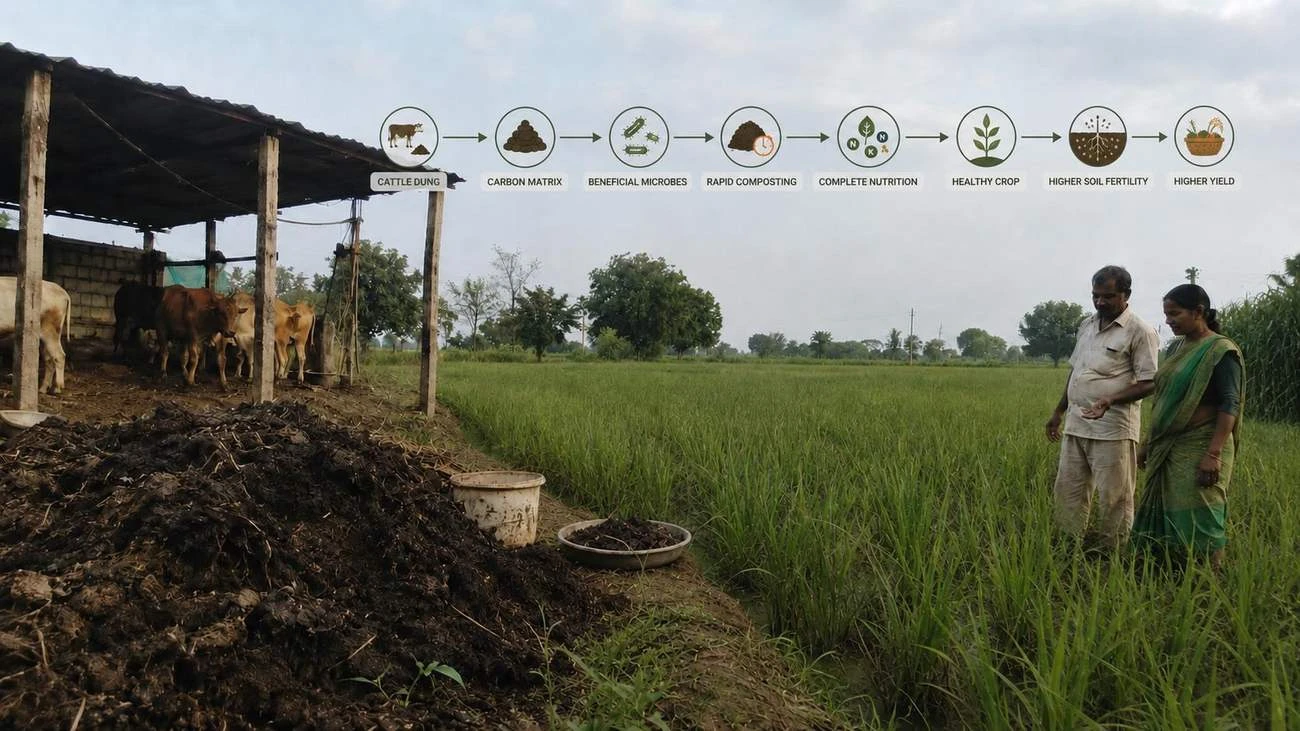
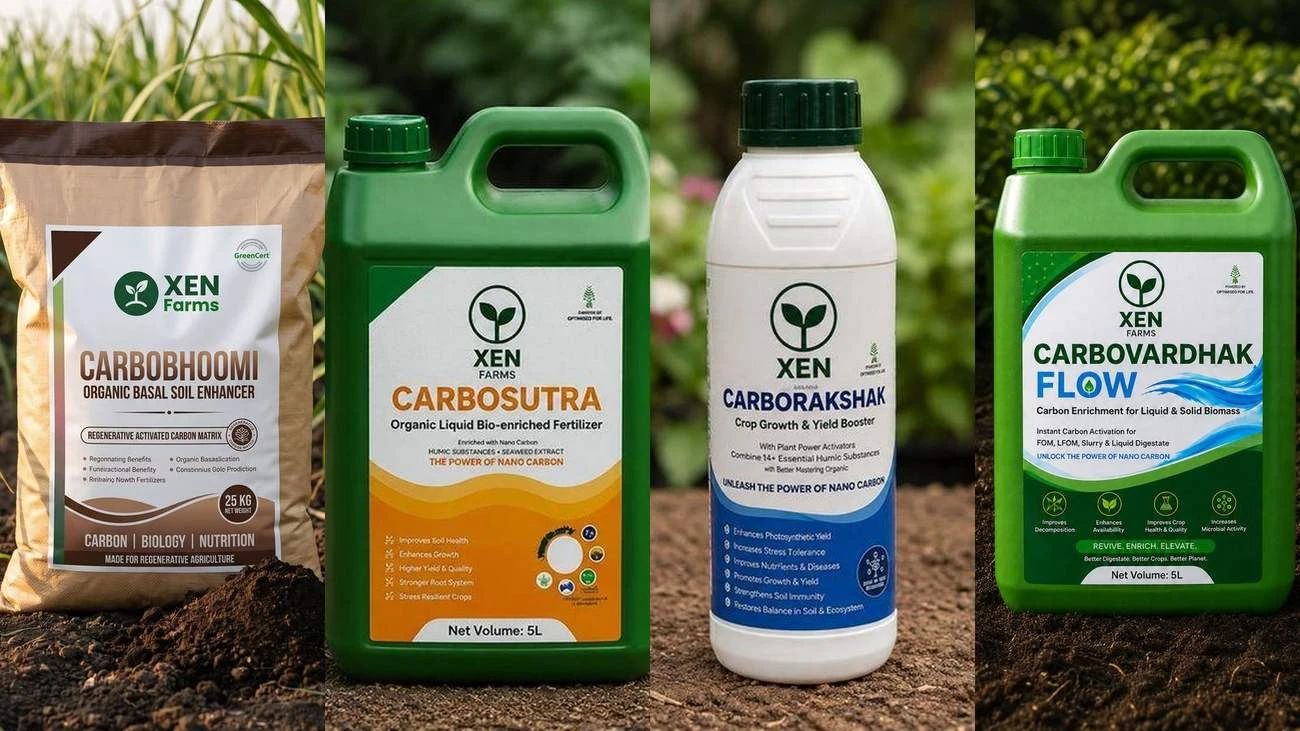
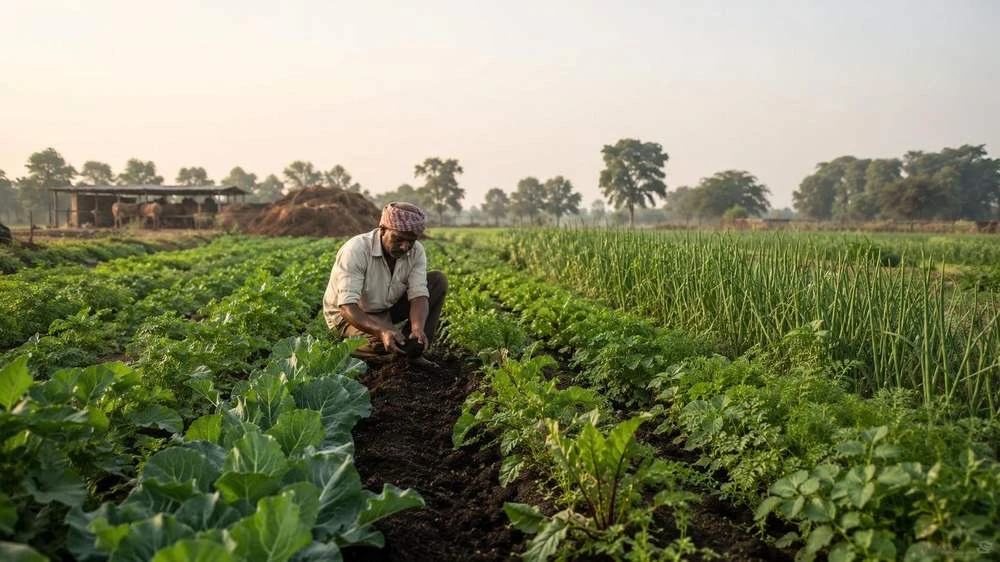
The farmer’s own dung and compost, turned into an all-in-one regenerative crop input.
41.11% TOC · 12.23% NPK · 1.86×10⁹ CFU/gBuild the foundation, nourish the crop, protect performance, and supercharge your manure.
Carbobhoomi · Carbosutra · Carborakshak · Carbovardhak FlowEqual plots, same day: control vs XEN across 11 crops and 14 states.
+28% to +75% yield · up to 59% lower input costDigestate becomes premium regenerative fertiliser and a second value engine.
10% dose · 21-day cycle · zero manual handlingCow dung to clean energy and regenerative fertiliser with a farmer producer organisation.
1 TPD biogas plant · sugarcane Co 0238Village, block and district entrepreneurs bringing XEN to the farmer’s doorstep.
DLE · BLE · VLEWhat Season 1 looks like in the field.
in 15 months, more than doubling on the same plots
Krishna Sudha Academy of Agri-Ecology, Hyderabad & BAIFwatermelon, Chikhli. Apple Grade-I recovery rose from 61% to 82% in Srinagar
XEN field demonstrations, control vs XEN plotsevery residue result below the limit of quantification
NHRDF Nashik residue analysis · NPOP organic certifiedDemonstrated results from documented trials. Outcomes vary with crop, soil, climate and application programme.
Which product does what
Three products. Three distinct jobs.
Carbovardhak
Mixed into cattle dung, compost, Jivamrit or biogas digestate. Turns what the farm already has into an all-in-one regenerative fertiliser.
- Goes into
- Dung, compost, FOM/LFOM
- Not for
- Direct field application
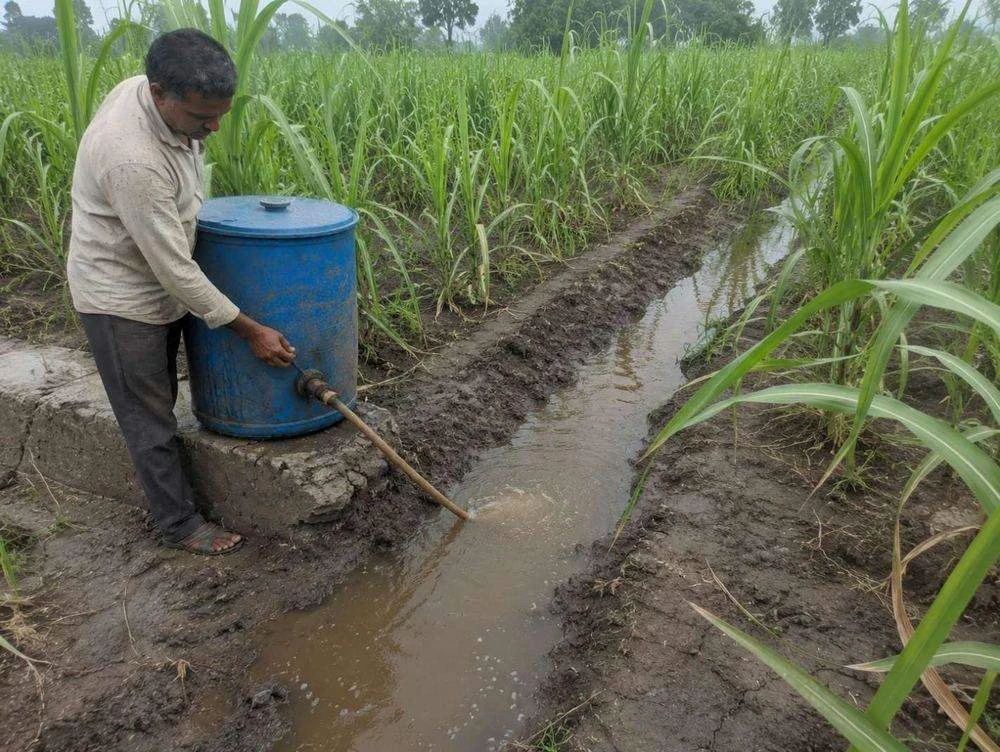
Carbosutra
Applied to the soil and root zone. Carbon, NPK, micronutrients and beneficial microbes in one input through the season.
- Goes into
- Soil · flood, drip or drench
- Typical dose
- 15 L/acre per application
Carborakshak
Sprayed on leaves and stems. Supports flowering and fruit set and builds resilience to pest, disease and climate stress.
- Goes onto
- Leaves & stems
- Typical dose
- 50–75 ml per 15 L sprayer
The case for change
India’s soil and yields can’t wait.
Farmers are spending more on fertiliser and pesticide every season while their soil carbon keeps falling. Every route to yield now needs more inputs, and crops become less resilient.
Soil organic carbon lost from Indian farmland in about 70 years
NRAA, Govt. of IndiaSpent every year on chemical fertiliser subsidies
Propping up the same system that depletes soil carbon through overuse of chemical fertilisers and pesticides.
Dept. of Fertilizers, GoIHarvest lost to heat, disease and erratic weather
Climate change could cut rice yields in South India by up to 17% by the 2080s.
Digital Sansad · ADBOf farming households own less than two hectares
They work with limited capital and rising spend on urea, DAP, 10:26:26, micronutrients and pesticides.
NSO Situation Assessment SurveyOf rural households are in debt
Up from 47.4% in 2016–17, as chemical input costs keep climbing.
NABARD NAFIS 2021–22Of cow dung generated in India every day
Only a small share becomes standardised, market-ready crop input. The fertility is there; it is locked up.
NITI Aayog Task ForceOur solution
A carbon-smart regenerative input ecosystem.
One family of all-in-one organic inputs, so farms grow more, higher-quality, residue-free crops from Season 1. It works with the farmer’s own resources instead of replacing them with chemistry.
Unlock local fertility
By supercharging cattle dung, compost and other organic resources the farm already has.
Grow resilient crops
Through integrated carbon, nutrition and biology for both soil and plant.
Restore living soil
By rapidly rebuilding soil organic carbon, soil structure and soil function.
One system · four all-in-one products
From living soil to a protected harvest.
Each product combines NPK, micronutrients, organic carbon, humic and fulvic acids, amino acids, plant hormones and beneficial microbes. Together they cover the full crop cycle.
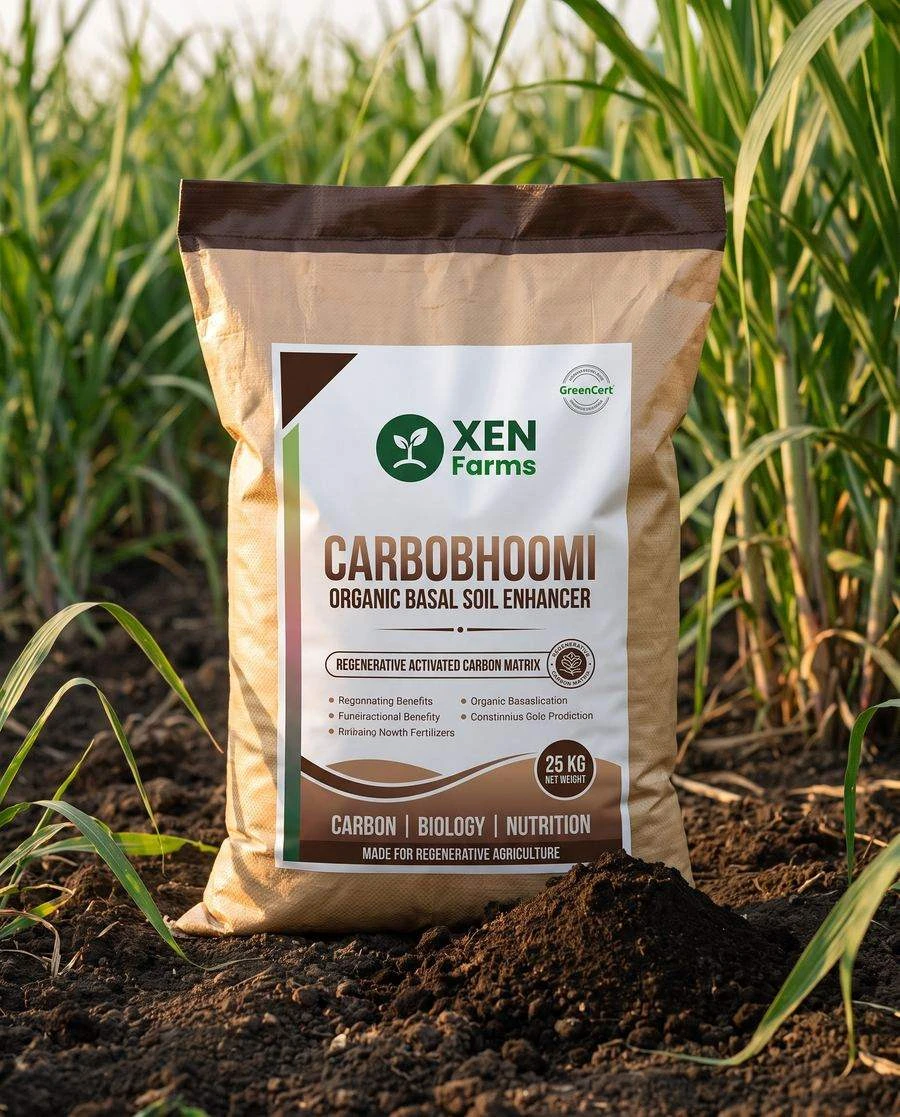
Carbobhoomi
Organic basal soil enhancerBuilds living soil structure from the roots up, with PSB bacteria and 40% organic carbon.
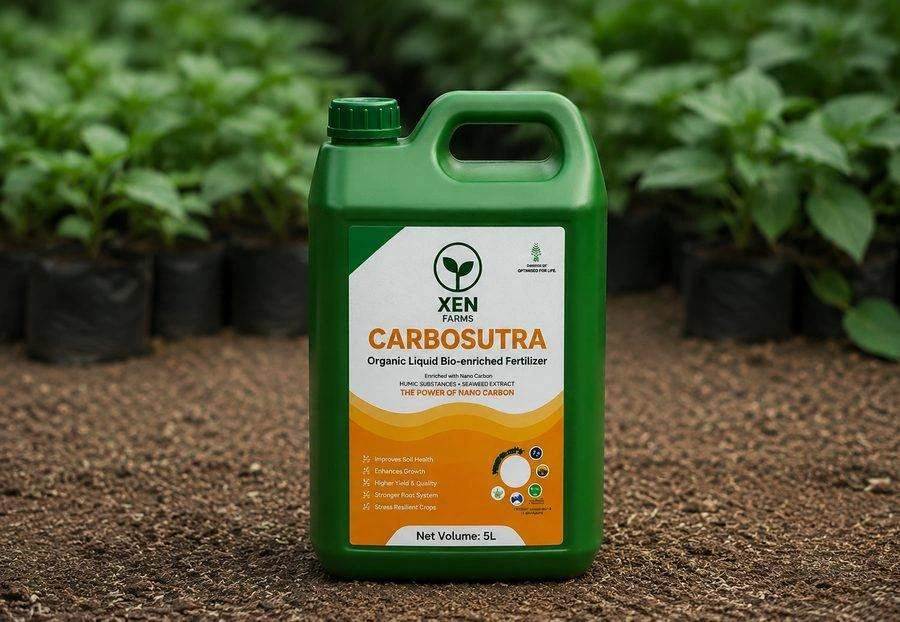
Carbosutra
Liquid bio-enriched fertiliserRevives soil and unlocks nutrients through a regenerative carbon matrix and a 5-strain microbial consortium.
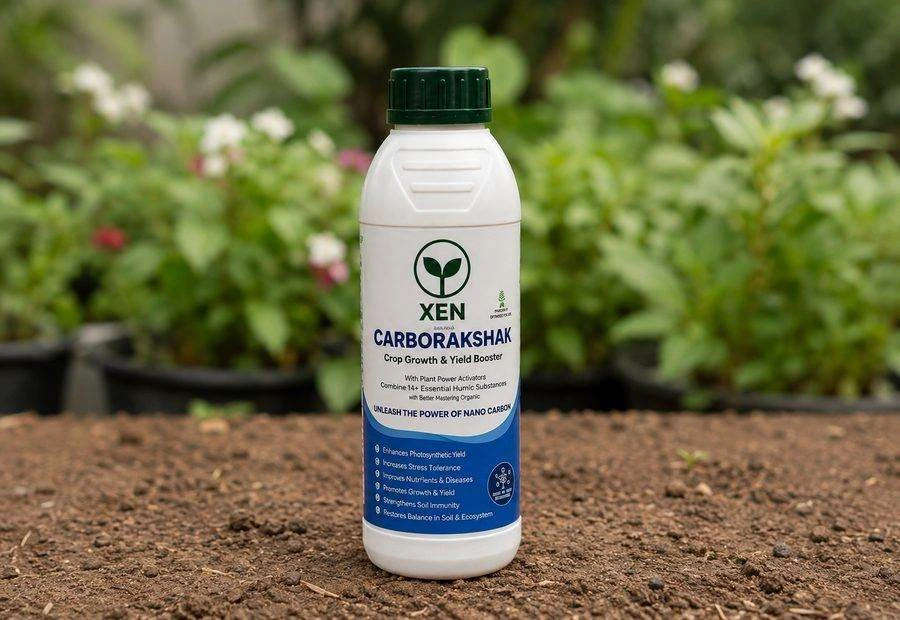
Carborakshak
Premium organic foliar sprayShields crops from pest and disease pressure and supports flowering and fruit set, with 109 herbal extracts.
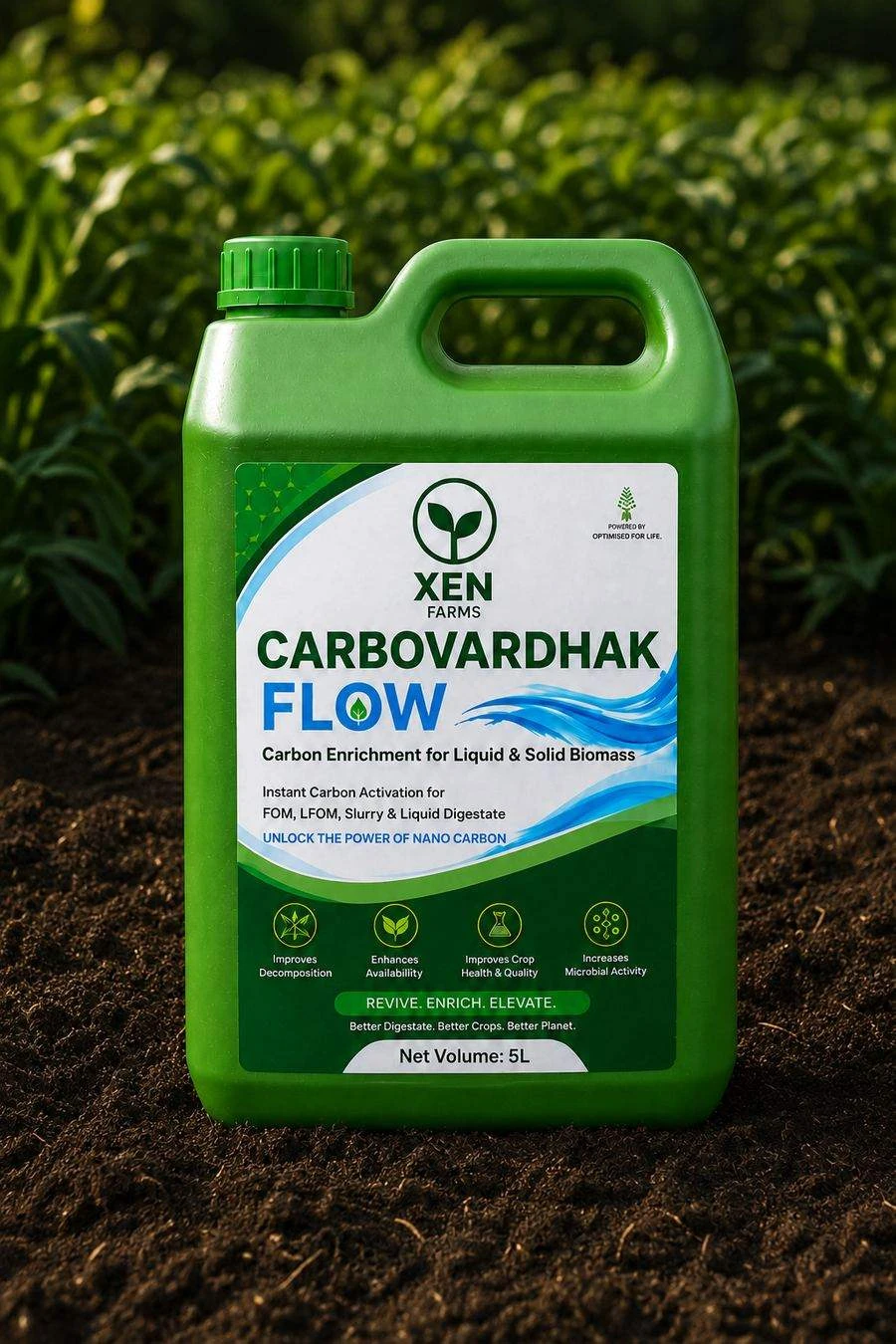
Carbovardhak Flow
Manure & digestate enrichmentTurns any cattle dung, compost, Jivamrit or digestate into a lab-verified, all-in-one regenerative fertiliser.
Supercharging cattle dung
India’s cattle dung can power the world’s fertiliser future.
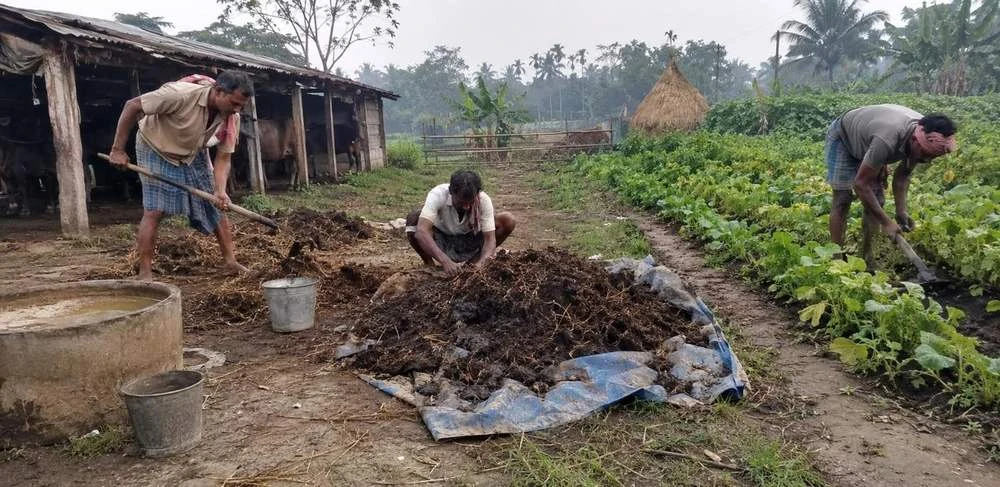
Carbovardhak doesn’t replace a farmer’s dung or compost. It adds carbon, nutrition and beneficial microbes, so the farm’s own waste becomes a premium all-in-one crop input.
- SourceCattle dung, compost, FOM/LFOM, Jivamrit, biochar manure or CBG digestate.
- CollectKeep the material in a dung or compost repository at the right moisture.
- SuperchargeAdd the prescribed Carbovardhak dose. Microbes break down lignin, cellulose and hemicellulose.
- GrowApply the darker, nutrient-dense enriched input in the field, at roughly a third of the usual manure volume.
Field-proven · Season 1
Equal plots. Same day. Measured results.
Each demonstration compares a conventional control plot with a XEN plot on the same farm. Tap a crop to see the full field data.
Results come from XEN field demonstrations and vary with crop, soil, climate and management. Input costs are per acre against the farmer’s conventional fertiliser and pesticide programme.
Hear from our farmers and partners
Outcomes in their own fields.
Farmers who ran XEN side by side with their usual programme, and the institutions that checked the results.
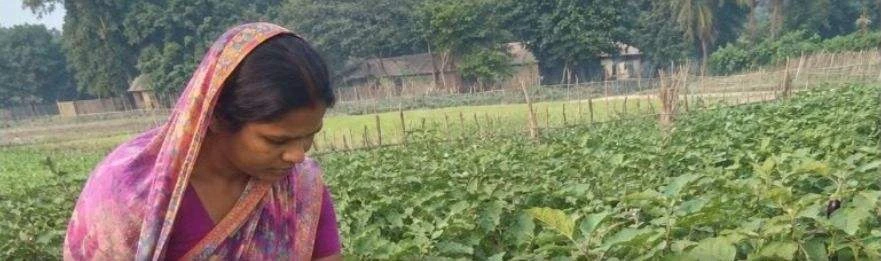
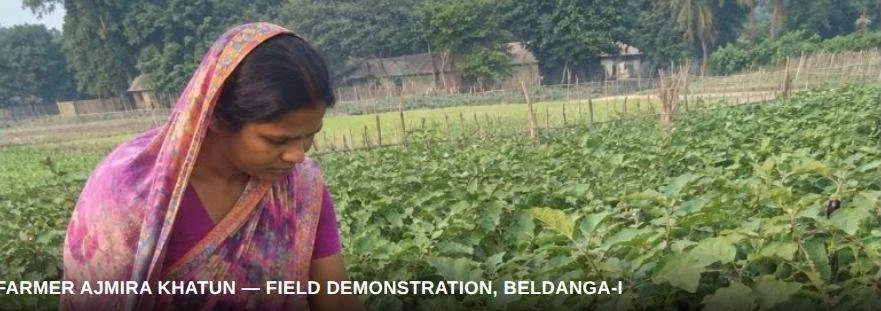
Yield rose from 14,500 to 22,500 kg/acre, with glossy, near-seedless fruit and very little borer or blight.
Ajmira KhatunFarmer, Beldanga-I, West Bengal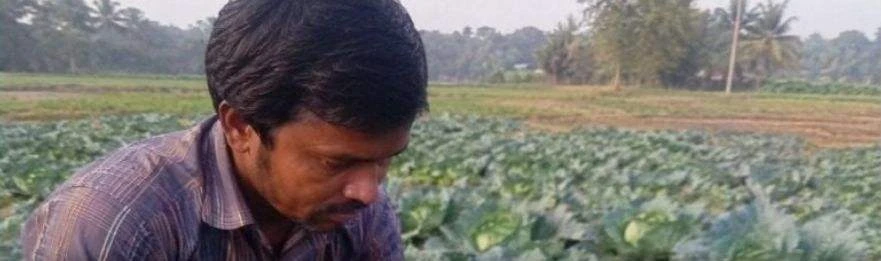
Uniform, compact heads, 1.8 kg up to 2.7 kg, with no fungicide needed on the XEN plot.
Joydeb MondalFarmer, Krishnanagar-I, Nadia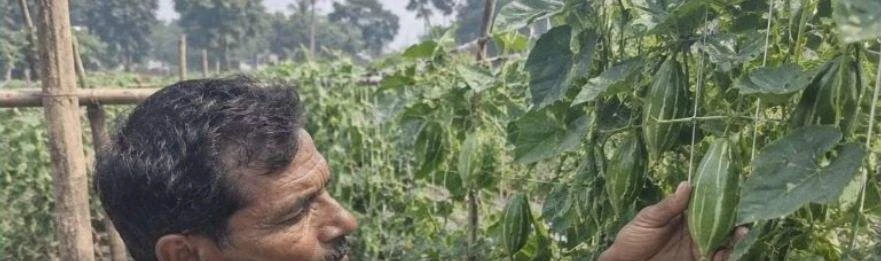
4,000 to 7,000 kg/acre, with fewer damaged leaves and more uniform fruit.
Pratap GhoraiFarmer, Krishnanagar, Nadia
Faster growth, healthy buds and stronger flowering across 36 harvests.
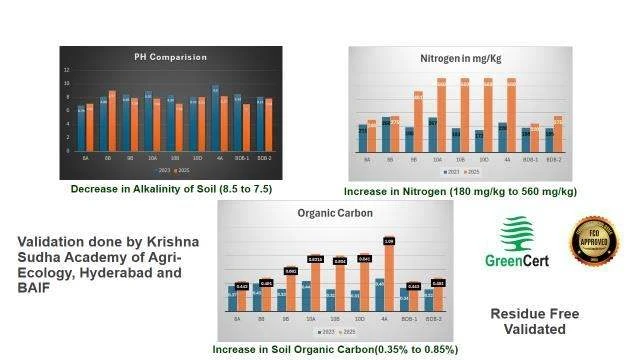
Joydev GhoraiChakdikanagar Mahila FPC, Nadia15-month soil study: organic carbon 0.35% → 0.85%, nitrogen 180 → 560 mg/kg, pH 8.5 → 7.5.
Google Earth Engine mapping across 16 pomegranate farms in Nashik, Ahmednagar and Solapur.
Independent characterisation of Carbovardhak-enriched LFOM from the Haridwar biogas plant.
Outcomes are recorded from documented XEN field demonstrations and partner evaluations.
Independently validated
Soil that measurably comes back to life.
A 15-month soil validation by Krishna Sudha Academy of Agri-Ecology, Hyderabad, and BAIF tracked the same plots before and after the XEN programme.
Who we work with
Multiple organic resources. Multiple markets.
Farmers & FPOs
Lower input costs, Grade-I harvests and fertile soil from Season 1, with a written application plan.
Crop programmes →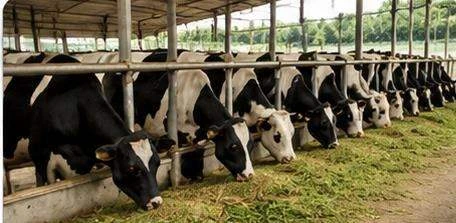
Gaushalas & dairy cooperatives
Turn cow dung into a standardised fertiliser product and a recurring income stream.
Gaushala–FPC model →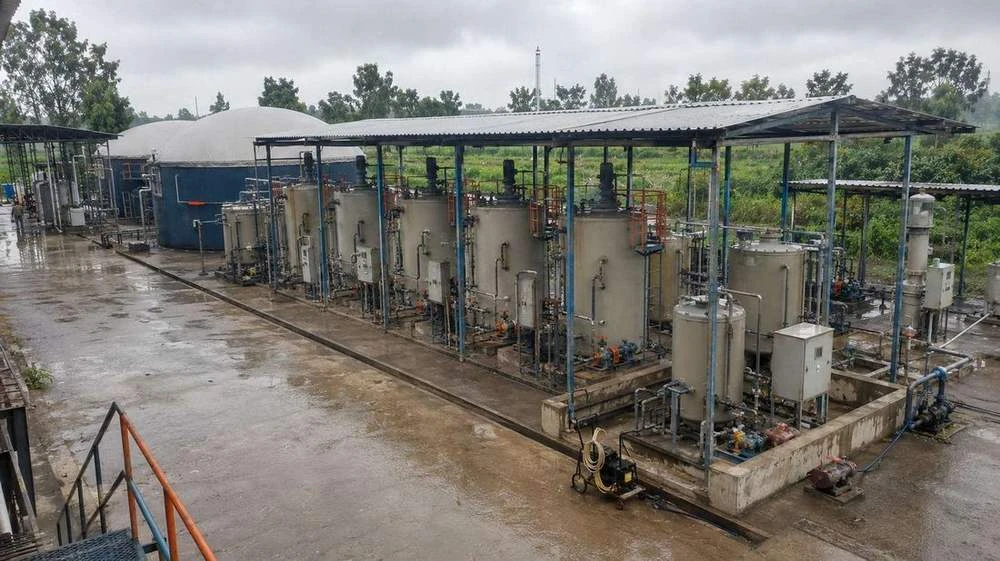
CBG & biogas plants
Convert FOM and LFOM digestate into premium regenerative fertiliser and a second value engine.
Digestate platform →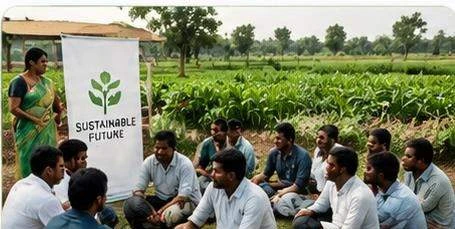
NGOs, CSR & development institutions
Deliver soil restoration, climate resilience and rural livelihoods with measurable outcomes.
Start a programme →
Nurseries, landscapes & commercial farms
Integrate soil, crop nutrition and resilience across managed growing systems.
Talk to us →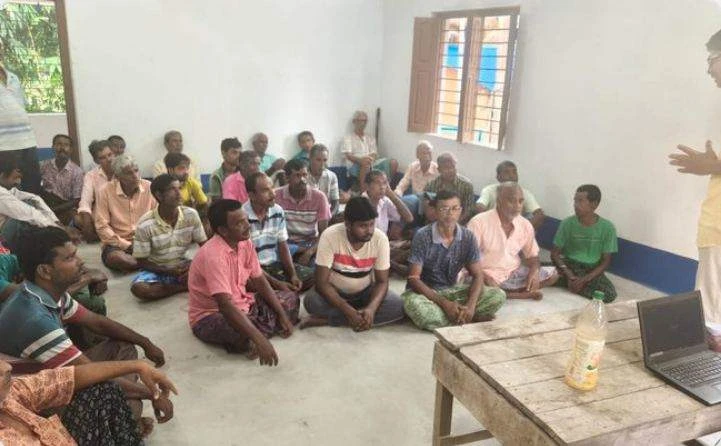
Rural entrepreneurs
Run XEN distribution in your village, block or district, with training, field support and an app.
Join the network →XEN Microenterprise Network
Become the XEN agri-entrepreneur of your area.
A three-tier network of village, block and district entrepreneurs brings XEN inputs to the farmer’s doorstep.
Backed by training, field support and the XEN mobile app.
Recognition
From research to field, recognised along the way.
TISS iPreneur’26
1st place, all-India Social Venture Challenge
Stanford Seed Spark
1st place in the regional cohort
Krishi Jagran 40 Under 40
Agri-icon Award
Dainik Jagran · Janhit Jagran
Winner
Let’s turn waste into wealth. Let’s grow together.
Farmers, FPOs, gaushalas, CBG plants, institutions and investors — tell us what you’re working on.